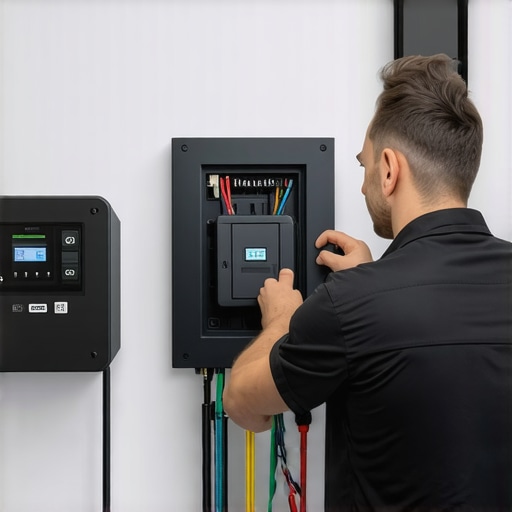

Panel Upgrades & Code Compliance: Ensuring Safe EV Charging at Home
Ever had that sinking feeling when your EV charger trips the breaker just as you’re about to leave for work? Or worse, noticed flickering lights or a burning smell coming from your electrical panel? I’ve been there. Early on, I overlooked the importance of proper panel upgrades and misunderstood the safety codes, which almost turned my home into a hazard zone. That lightbulb moment made me realize: safe EV charging isn’t just about plugging in; it’s about ensuring your entire electrical system complies with local codes and safety standards.
Why Proper Panel Upgrades and Code Compliance Matter More Than Ever
With the rise in electric vehicle ownership, more homeowners are installing chargers without fully understanding the electrical demands and safety requirements involved. A recent study indicates that improper installations are among the top causes of electrical fires in residential settings. That’s why I want to share my experience and help you avoid the costly and dangerous mistakes I made early on. Today, we’ll explore how to upgrade your electrical panel correctly and ensure your EV charger setup passes all safety and code standards. If you’ve ever felt overwhelmed by the technical jargon or worried about the safety of your home’s wiring, you’re not alone. By the end of this post, you’ll know the crucial steps to make your EV charging safe, reliable, and fully compliant.
Are You Overestimating Your Home’s Capacity? Think Again
One common mistake I made was assuming my existing panel could handle a high-capacity EV charger without any upgrades. Spoiler: it couldn’t. This led to frequent trips of my circuit breaker, risking damage to my home and even creating fire hazards. The key is understanding your panel’s current load and whether it can support the additional demand. When in doubt, consulting a licensed electrician and referencing reliable resources like this guide on code compliance can save you a lot of trouble.
Early mistakes often stem from rushing into installations without proper planning. I learned that investing in a panel upgrade tailored for EV charging not only boosts performance but also keeps everything within safety limits. If you want to see what upgrades are necessary and how to do it properly, check out this comprehensive overview on panel upgrades.
Now that I’ve set the stage with my story, let’s dive into the practical steps to ensure your home’s electrical system is ready for safe, code-compliant EV charging. Trust me, a little extra effort here can save you a lot of headaches—and money—in the long run.
Assess Your Electrical Capacity
Start by evaluating your existing electrical panel. I remember a time when I assumed my panel could handle a high-capacity charger, only to find frequent trips and flickering lights. To avoid this, turn off all appliances and measure your current load. Use a clamp meter if available, or consult a professional electrician for an accurate assessment. This step is like checking the fuel tank before a long trip—essential to prevent breakdowns.
Calculate Your Home’s Total Load
Sum the wattage of your current appliances and add the EV charger’s demand. For example, a 240V Level 2 charger typically draws around 40A, which equals 9.6kW. If your panel’s main breaker is rated at 100A, and your existing load is close to that, an upgrade is necessary. Overloading your panel is like trying to pour too much water into a small glass—spills, hazards, and damage ensue. My experience with this was messy, but it taught me the importance of precise calculations.
Upgrade Your Electrical Panel Properly
When upgrading, choose a panel rated for at least 200A to accommodate current and future needs. A panel upgrade is akin to replacing an old engine with a turbocharged one—more power, more safety. Visit this page for detailed guidance. I hired a licensed electrician who installed a new panel with dedicated circuits for my EV charger, ensuring reliable and safe operation. It’s a step I don’t regret, as it prevents overloads and makes future upgrades easier.
Ensure Proper Wiring and Breaker Selection
Use the correct gauge wire—typically 6 AWG for 40A circuits—and select a breaker rated for the charger’s current. This is like choosing the right size pipe for water flow—small pipes cause pressure drops, too large can be unsafe. During my upgrade, I verified that all wiring met local code standards using the code compliance checklist. Proper wiring is crucial for safety and performance.
Verify and Document Code Compliance
Before powering up, check all work against local electrical codes. I used this resource to confirm my setup met safety standards. This includes grounding, breaker ratings, and proper labeling. Document everything for future reference. Skipping this step can lead to fines or unsafe conditions; I learned this the hard way.
Test Your Setup and Troubleshoot
Once installed, turn on the system and monitor for issues. During my first test, the charger wouldn’t start. I checked connections and used these troubleshooting tips. Confirm that the breaker trips only when expected, and the charger communicates properly with your vehicle. Regular testing ensures ongoing safety and reliability.
Keep Safety First
Remember, electrical work can be dangerous. If you’re unsure at any step, hire a professional. My experience taught me that proper panel upgrades and adherence to code are not just legal requirements—they’re safety essentials. For personalized advice or to schedule an upgrade, contact this team. Taking these steps now will make your EV charging safe, reliable, and future-proof.
Many homeowners believe that installing an EV charger is as simple as plugging it in or that their existing electrical system can handle any new demand. However, these assumptions can lead to costly mistakes and serious safety issues. Let’s dig deeper into what most people get wrong and how to avoid common pitfalls that could jeopardize your home’s electrical integrity.
Myth: All electrical panels are created equal
One widespread misconception is that any panel can support an EV charger. In reality, older panels or those already near capacity often lack the necessary capacity for a high-demand charger. Relying on an outdated panel can result in frequent trips, flickering lights, or even electrical fires. The truth is, a proper panel upgrade tailored for EV needs is essential for safety and performance. Don’t assume your current setup is sufficient without professional evaluation.
Warning: Skipping code compliance checks can be dangerous
Many homeowners overlook the importance of verifying that their installation meets local electrical codes. This oversight can lead to fines or unsafe conditions that risk damage or fire. Ensuring code compliance isn’t just bureaucratic red tape; it’s a critical safety measure. I’ve seen cases where non-compliant wiring or improper grounding caused major issues, reinforcing the need for expert verification. Remember, a proper inspection can save you from potential disasters.
Advanced Question: How can you future-proof your electrical system for upcoming EV technology?
Many think upgrading their panel for today’s EV charger is enough, but with rapid advancements in EV tech, future upgrades are inevitable. To stay ahead, consider installing a high-capacity, flexible panel now that can accommodate future charging standards and additional outlets. This proactive approach saves time and money long-term. Experts recommend consulting an electrician about smart panel systems that can adapt to evolving demands, ensuring your home remains safe and efficient as EV technology advances. Studies show that anticipating future needs reduces upgrade costs and minimizes downtime, making it a smart investment for any EV owner.
In summary, the key to a safe, reliable, and code-compliant EV charging setup lies in understanding your system’s actual capacity, adhering strictly to safety codes, and planning for future needs. Don’t fall into the trap of assumptions—get professional advice and thorough inspections. Have you ever fallen into this trap? Let me know in the comments.
How do I keep my EV charging setup performing flawlessly over time?
Maintaining your EV charging system is crucial to ensure safety, efficiency, and durability. From regular inspections to using the right tools, I’ve learned that a proactive approach helps prevent costly repairs and downtime. One of my go-to strategies involves investing in a high-quality clamp meter, which I use not only during initial installation but also periodically to monitor electrical load and detect potential issues early. This device allows me to measure current flow without disconnecting wires, providing real-time data that helps catch problems before they escalate.
Another essential tool I rely on is a digital multimeter, which I use to verify voltage levels and check wiring continuity. Proper voltage is vital for safe operation and optimal charging speeds. I prefer a multimeter with auto-ranging capabilities and a true RMS feature, which ensures accurate readings even in complex electrical environments. These tools are part of my routine maintenance kit, allowing me to troubleshoot issues quickly and avoid service calls when problems are minor.
Beyond tools, I follow a strict schedule of visual inspections—checking for loose connections, corrosion, or damaged wiring. I also keep detailed records of each inspection, noting any irregularities or improvements after adjustments. This documentation helps me track the system’s health over time and prepare for future upgrades, like panel enhancements or additional outlets.
Looking ahead, I believe the trend in EV charging is moving toward smart systems with integrated monitoring and remote diagnostics. Devices that connect to Wi-Fi and provide real-time alerts about voltage drops or circuit anomalies will become standard, making maintenance even more straightforward. Companies are developing AI-powered diagnostics that can predict failures before they happen, similar to predictive maintenance in industrial settings. Adopting these technologies now can save you time and money down the line.
What’s the best way to ensure your EV charging system remains compliant and safe long-term?
Regularly verify your setup against current electrical codes and standards. I recommend reviewing resources like this guide on code compliance to stay updated. Additionally, scheduling periodic professional inspections can catch issues that DIY checks might miss, such as hidden wiring faults or deteriorating components. Remember, safety isn’t a one-time fix but an ongoing process.
If you want to streamline your maintenance routine, consider installing a smart panel with integrated monitoring. These panels can alert you to overloads, ground faults, or other anomalies instantly via a mobile app. This proactive approach not only prolongs your system’s lifespan but also provides peace of mind, knowing your home’s electrical health is continuously monitored.
Finally, don’t forget to keep documentation of all inspections, upgrades, and repairs. This record will be invaluable for future troubleshooting and ensuring compliance during home inspections or upgrades. In the fast-evolving world of EV technology, staying vigilant and equipped with the right tools makes all the difference. Ready to take your maintenance to the next level? Try a professional-grade clamp meter and set a schedule for regular system checks—you’ll thank yourself later.
What I Wish I Knew Before Upgrading My Home for EV Charging
One of the most valuable lessons I learned was that rushing into an EV charger installation without proper planning can lead to serious safety risks. I once assumed my existing electrical panel could handle a Level 2 charger, only to experience frequent breaker trips and flickering lights. It was a wake-up call that understanding your home’s actual electrical capacity is crucial. Taking the time to evaluate and upgrade your panel accordingly can prevent dangerous overloads and future headaches.
How I Discovered the Power of Professional Guidance
Initially, I tried to DIY my EV charger setup, but I quickly realized that code compliance and wiring standards are not areas to cut corners on. Hiring a licensed electrician and referencing trusted resources like this guide on panel upgrades made a huge difference. Their expertise ensured my installation met all safety standards, saving me from potential fines or fire hazards down the line.
Why Future-Proofing Your Electrical System Pays Off
Thinking ahead about upcoming EV technologies and charging demands can save you money and stress. I learned that investing in a high-capacity, flexible panel now allows for future upgrades without costly rewiring. Consulting professionals about smart panels with integrated monitoring can provide peace of mind, ensuring your system adapts seamlessly to evolving needs, as explained in this expert advice.
Curated List of Tools and Resources That Changed My Approach
- Clamp Meter: Essential for monitoring real-time electrical load, helping me prevent overloads and diagnose issues early. I trust Fluke meters for accuracy and durability.
- Digital Multimeter: Critical for verifying voltage levels and wiring integrity. I recommend models with auto-ranging and true RMS for precise readings.
- Trusted Guides: Resources like this comprehensive guide kept me informed about local code requirements and safety standards.
- Professional Electricians: Their expertise in panel upgrades and wiring is invaluable—don’t underestimate the importance of certified help in ensuring your setup is safe and compliant.
Push Your Limits and Take Action Today
Ensuring your EV charging setup is safe, reliable, and future-ready is within your reach. Don’t wait for problems to arise—start with a proper assessment, consult professionals, and consider future-proofing your electrical system. Your home’s safety and your peace of mind depend on it. Are you ready to take the next step toward a safer, more efficient EV charging experience? Share your thoughts or questions below—I’d love to hear your story.
Reading through this detailed post really resonated with my own experience when I first installed my EV charger. I initially thought my existing panel would be sufficient, but I quickly learned that proper load assessment and upgrading are essential for safety and performance. Going through the process of consulting with a licensed electrician and verifying code compliance made all the difference. I especially appreciate the emphasis on future-proofing your electrical system, as EV tech seems to be evolving rapidly. I wonder, with the rise of smart panels and home automation, how many homeowners are considering integrating these systems now to ensure ongoing safety and efficiency? It seems like a smart move that could save a lot of headaches later. Have any of you explored smart panel options or remote monitoring tools for your EV setups? Would love to hear your insights or recommendations.